Gyeongheo Seongu
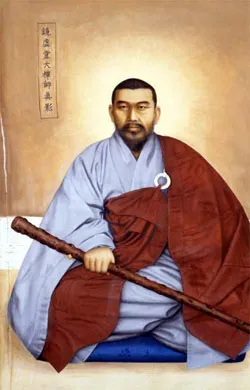
Gyeongheo Seongu
1846 – 1912
Gyeongheo Seongu (1846–1912) single-handedly revived the Korean Seon meditation tradition after centuries of decline under the Joseon dynasty's systematic suppression of Buddhism. By the mid-nineteenth century, monks had been banned from entering the capital, monastic education had deteriorated, and genuine meditation practice had nearly disappeared. Gyeongheo's awakening came dramatically: encountering a village devastated by cholera, he was so shaken by the reality of death that he sealed himself in his room and meditated with ferocious intensity on the hwadu "What is this thing that thus comes?" until he broke through to deep realization.
After his awakening, Gyeongheo traveled throughout Korea, re-establishing meditation halls and training a generation of students who would become the pillars of modern Korean Seon. His three principal disciples — Mangong, Hanam, and Suweol — each developed distinctive teaching styles that together revitalized the entire tradition. Gyeongheo himself was wildly unconventional: he drank alcohol, associated with courtesans, and eventually disappeared from the monastic world entirely, spending his final years as a wandering layman teaching children in a rural village under an assumed name. His body was discovered only after his death. This eccentric behavior, reminiscent of the mad wisdom tradition in Chan, demonstrated his conviction that realization is not bound by monastic convention.
Master Record Sources
No citations attached yet.