Trần Nhân Tông
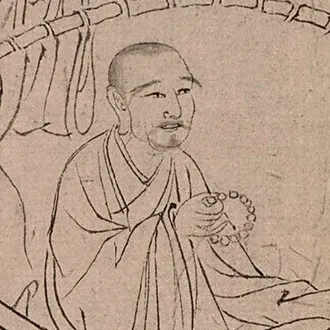
Trần Nhân Tông
1258 – 1308
Trần Nhân Tông (陳仁宗, 1258–1308) was the third emperor of the Trần dynasty, personally led Đại Việt to victory against the second and third Mongol invasions of Vietnam (1285 and 1287–1288), and then — at the height of his political power — abdicated the throne to become a monk[1]. Retiring to Yên Tử Mountain, he synthesized the earlier Vinītaruci, Vô Ngôn Thông, and Thảo Đường streams into a new school he named Trúc Lâm (竹林, Bamboo Grove) in 1299[1]. The school's emphasis on 'knowing the mind, seeing the nature' (tri tâm kiến tánh), its Sino-Vietnamese literary culture, and its accommodation of Confucian ethics made it the most distinctly Vietnamese articulation of Thiền in the medieval period. Trần Nhân Tông is the only Zen school founder known to have been a reigning emperor[2].
Names
Disciples of Trần Nhân Tông
Teachers and lineage of Trần Nhân Tông
Teacher / root master:
Teachings
Living among people, enjoy the way. Hungry — eat. Tired — sleep. The household treasure is right here; why search peak after peak for a teacher? When mind is still, the ten directions open. When thought arises, close the gate again. Buddha is not far: the one who sees this, sees the Buddha.
- practice-instructionBuddha in Each Ordinary Act
Trần Nhân Tông, founder of the Trúc Lâm school of Vietnamese Thiền, taught that practice is not separate from the duties of the householder, the farmer, or the king. Awakened mind is found in the carrying of water, the planting of rice, the bowing in the family shrine. 'In the home, be a filial child; in the world, a loyal subject; on the cushion, an upright sitter. Mind is Buddha — do not seek elsewhere.' His Trúc Lâm method joins zazen, sutra study, and mindful daily conduct into one continuous discipline, so that no moment falls outside of practice and no activity falls outside of awakening.
Buddha is not somewhere else. Go back into your own mind and see clearly — there the Buddha has been waiting all along. Search outside, and you will run to exhaustion and not arrive.
When hungry, eat. When tired, rest. When things come, respond. When they go, let them pass. The Way is not rare — only the willingness to meet it plainly.
- proverbThree Mountains, One House
On Yên Tử there are three peaks. The Trúc Lâm school stands on all three at once. A teaching that fits only one peak is not yet a teaching.
- proverbKing Today, Monk Tomorrow
I sat on the throne for many years. The day I left it was no different from any other day — the morning bell rang, the rice cooked, the body bowed. Only the crown stopped being mistaken for the head.
- proverbBuddha in the House
There is a Buddha in your house — kindly do not invite a stranger. Sit at your own hearth, light your own lamp; the Buddha will recognize his own light burning.
- proverbFields and Altars
When the rice fields are well kept, the altars take care of themselves. When the altars are well kept, the rice fields take care of themselves. The Way is the same farmer in different clothes.
- proverbAfter the Throne
After leaving the throne I lived in the mountains, and many came to ask for guidance. I told them: do as I did, but in your own house. Whatever throne you sit upon, leave it daily — and return to it in service.
Featured in
- Tuệ Trung Thượng Sĩ Ngữ Lục (Recorded Sayings of Lay-Elder Tuệ Trung)Teaching the Future King
- Thiền Uyển Tập Anh (Anthology of the Garden of Vietnamese Zen)On Receiving the Succession
Other masters in Trúc Lâm
Master Record Sources
- biographyCuong Tu Nguyen — medieval Vietnamese Buddhism scholarship
- datesLê Mạnh Thát — Vietnamese Buddhist history publications