Xutang Zhiyu
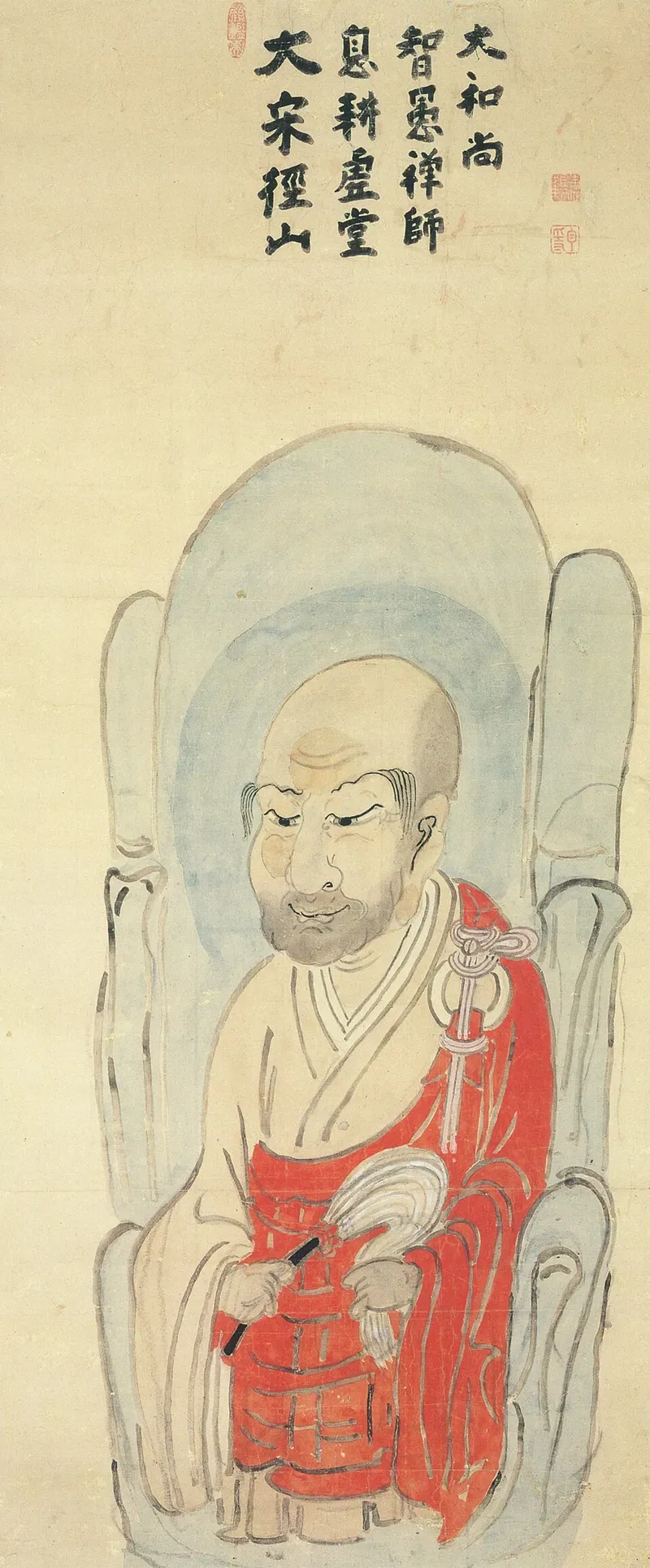
Xutang Zhiyu
1185 – 1269
Xutang Zhiyu (虛堂智愚, 1185–1269) was one of the most influential late-Southern-Song Linji-Yangqi-line masters and the figure through whom the *Ōtōkan* line of Japanese Rinzai derives its Chinese transmission[1]. He held abbacies at the major Linji monasteries on Mount Jing and at Lingyin-si near Hangzhou, and his recorded sayings were widely circulated through the Song-period Linji house[2].
Xutang's principal Japanese heir was Nanpo Jōmin (Daiō Kokushi), who studied with him in China between 1259 and 1267 and returned to found the line that subsequently produced Daitō Kokushi and Kanzan Egen — the Ōtōkan ("Daiō-Daitō-Kanzan") sequence from which essentially all modern Daitoku-ji- and Myōshin-ji-line Rinzai Zen descends[3]. His portraits, scrolls, and recorded sayings became treasured objects in Japanese Zen temples, and the institutional importance of his line in Japan often exceeded his standing in China alone[4].
Names
Disciples of Xutang Zhiyu
Teachings
- dialogueThe Essence of Chan
A student asked Xutang, "What is the essence of Chan?" Xutang said, "The cypress tree withers, the stone bridge flows." The student said, "I don't grasp your meaning." Xutang said, "The autumn wind has no fixed direction."
- sayingThe Barrier of Words
Xutang said: "Words are a painted cake that cannot satisfy hunger, yet without words there is no way to point to the moon. The one who clings to words is lost; the one who abandons words is equally lost. Tell me—where do you stand?"
Other masters in Yangqi line
Master Record Sources
- datesZen Editorial Overlay - Originals Curation
1185-1269
- nameZen Editorial Overlay - Originals Curation
Xutang Zhiyu