Koun Ejō
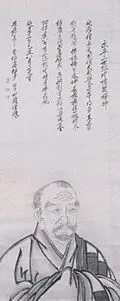
Koun Ejō
1198 – 1280
Koun Ejō (孤雲懐奘, 1198–1280) was Dōgen's principal Dharma successor and the second abbot of Eihei-ji, the head training monastery of the Sōtō school. Ordained on Mount Hiei in the Tendai tradition, he had already studied for several years with Kakuzen Ekan of the disbanded Japanese Daruma-shū school of Dainichi Nōnin before meeting Dōgen in 1227; he formally joined Dōgen's community in 1234 and was named *shuso* and Dharma heir during the Kōshō-ji period[1].
Ejō's most enduring contribution to Sōtō literary culture is the *Shōbōgenzō Zuimonki* (正法眼蔵随聞記), a six-fascicle record of Dōgen's informal talks at Kōshō-ji that he transcribed between 1235 and 1238[2]. After Dōgen's death in 1253 he succeeded him as abbot of Eihei-ji and held the post for most of the next two decades, briefly handing it to Tettsū Gikai in 1267 before resuming office until his own death in 1280; through this period of fragile institutional life he was the figure who kept the early Sōtō community intact[3].
Names
Disciples of Koun Ejō
Teachers and lineage of Koun Ejō
Teacher / root master:
Teachings
The most important thing in studying the Way is to be aware of impermanence. This is not merely an idea to be understood with the intellect. It must be felt in the very marrow of your bones. Life and death is the great matter. Time does not wait. Do not waste a single moment. Once you have genuinely felt the swiftness of impermanence, you will not spend your time on trivial things. You will not care about fame or profit. You will practice as if your hair were on fire. This urgency is itself the beginning of the Way.
In following the Way of the ancestors, the most essential thing is single-minded devotion to practice. Do not practice half-heartedly. Do not keep one foot in the world and one foot in the monastery. When you sit, sit with your entire being. When you serve your teacher, serve with your entire being. If you hold anything back, your practice becomes lukewarm and the Way remains distant. Cast away all other concerns and devote yourself wholly—this is the meaning of leaving home.
Other masters in Sōtō
Master Record Sources
1198-1280
Koun Ejo
Soto
Dogen (Shakyamuni Buddha and the Two Founders)