Gasan Joseki
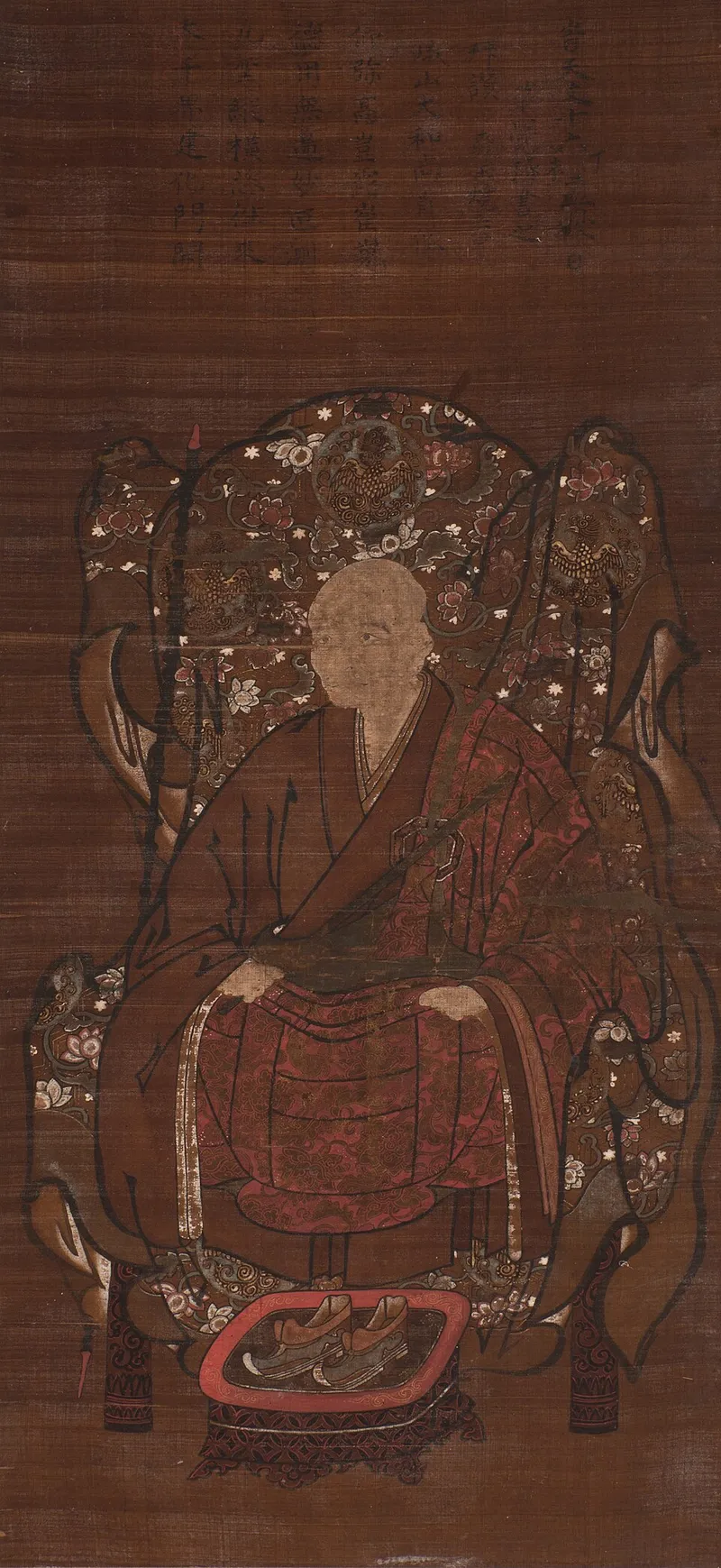
Gasan Joseki
1275 – 1366
Gasan Jōseki (峨山韶碩, 1275–1366) was, with Meihō Sotetsu, one of Keizan Jōkin's two principal Dharma heirs and the figure through whom most of the institutional growth of the medieval Sōtō school descends. He succeeded Keizan as second abbot of Sōji-ji in 1325 and is traditionally credited with the "Five Sects of Gasan" (峨山五哲) — his own five great Dharma heirs — through whose temples the network of provincial Sōtō monasteries was founded across Japan[1].
Gasan's institutional work — combining Dōgen's *zazen*-centred orthodoxy with Keizan's more ritually accommodating model and a flexible policy toward lay patrons and existing local cults — turned Sōtō from a small Eihei-ji-Daijō-ji community into a national denomination over the next two generations. Modern scholarship treats him, rather than Dōgen or Keizan, as the figure most responsible for Sōtō becoming the largest single Buddhist school in Japan by the early-modern period[2].
Names
Disciples of Gasan Joseki
Teachers and lineage of Gasan Joseki
Teacher / root master:
Teachings
Greed, ill-will, sleepiness, restlessness, doubt — five visitors at every sitting. Greet each by name when it arrives; bow when each leaves. After enough visits, they stop ringing the bell.
The lineage I pass down is alive only because each receiver is willing to let it kill the part of him that wants to keep it.
- proverbHidden Temple
A temple hidden in the trees teaches you to walk in. A temple at the head of the road teaches you to walk past. The dharma is in either, depending on the kind of legs you arrive on.
Other masters in Sōtō
Master Record Sources
1275-1366
Gasan Joseki
Soto
Keizan Jokin