Sōtō
Zen
Sōtō
曹洞宗
Branch of Caodong
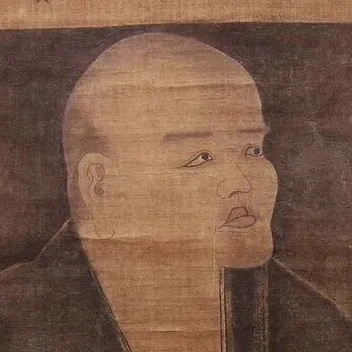
The Soto school (曹洞宗) is the Japanese continuation of the Chinese Caodong tradition, founded by Eihei Dogen (1200–1253) after his training with Tiantong Rujing in China[1]. It is the largest Zen denomination in Japan[2]. Soto's central practice is shikantaza ('just sitting')—zazen practiced as the direct expression of awakening itself, not as a means to attain enlightenment[3]. Dogen articulated this in his masterwork the Shobogenzo—which is itself largely composed of koan commentary and philosophical inquiry—and in his practical manual the Fukanzazengi[3]. The school's second great figure, Keizan Jokin (1264–1325), founded Sojiji Temple and made Soto practice accessible to a broad Japanese population through the integration of esoteric ritual and ancestor veneration[1]. Together, Eiheiji (Dogen's temple) and Sojiji serve as the school's two head monasteries. In the modern era, the Soto tradition has been carried to the West by teachers including Shunryu Suzuki (San Francisco Zen Center), Taisen Deshimaru (Association Zen Internationale, Europe), Taizan Maezumi (Zen Center of Los Angeles), and Dainin Katagiri (Minnesota Zen Center), establishing vibrant practice communities across North America and Europe[4].
Meditation practice
Soto Zen’s central practice is shikantaza (‘just sitting’)—zazen as the direct expression of awakening rather than a technique aimed at producing it[3]. Dogen’s Fukanzazengi (‘Universally Recommended Instructions for Zazen’), written soon after his return from China, is not just a slogan for sitting: it is a concise manual that explains why zazen matters and how to do it. In line with Soto practice as presented by Sotoshu, it emphasizes a clean and quiet sitting place, an upright stable posture, full- or half-lotus if possible, the cosmic mudra, eyes kept open, natural breathing through the nose, and the instruction not to chase thoughts or suppress them but to let them arise and fall away while returning to posture and wakefulness[5]. This is the practical side of Dogen’s teaching that practice and realization are one (shusho ittō). Koans are also integral to the Soto tradition—Dogen compiled the Shinji Shobogenzo (300 cases) and his Shobogenzo is largely koan commentary—but they are generally approached as expressions of realized truth rather than used as concentration devices during zazen in the Rinzai manner. Monastic life extends the same discipline into kinhin (walking meditation), oryoki (formal meals), samu (work practice), chanting, and temple ritual, so that sitting and everyday activity are treated as one continuous field of practice.
Prominent masters
Sōtō Zen recognises Dōgen as Kōso (Eminent Founder) and Keizan as Taiso (Great Ancestor); both temples Eihei-ji and Sōji-ji descend from their work[1]. Dōgen received transmission from Tiantong Rujing on Mount Tiantong in 1227 and returned to Japan to found the Sōtō line[1][6]. Keizan’s student Gasan Jōseki and Gasan’s ‘five great gates’ produced the dharma lineages from which the modern Sōtō priesthood ultimately descends[1]. In the twentieth century, Shunryū Suzuki (1904–1971) co-founded San Francisco Zen Center and authored the influential Zen Mind, Beginner’s Mind, becoming a defining voice of American Sōtō[7]. Taisen Deshimaru (1914–1982), a student of Kōdō Sawaki, founded the Association Zen Internationale and made Sōtō the dominant form of Zen in continental Europe[8]. Taizan Maezumi (1931–1995) carried Sōtō shihō from Hakujun Kuroda alongside Rinzai and Sanbō-Zen authorisation, and trained twelve American Dharma heirs at the Zen Center of Los Angeles[9]. Dainin Katagiri (1928–1990) founded Minnesota Zen Meditation Center and helped establish San Francisco Zen Center after Suzuki’s death[10].
Key texts
- Shōbōgenzō
Dōgen’s masterwork — 95 fascicles (in the standard Honzan edition) of philosophical prose and koan commentary that is the foundational text of Japanese Sōtō. Titled ‘Treasury of the True Dharma Eye’ after the phrase used to name what the Buddha transmitted to Mahākāśyapa. Essays like Genjōkōan, Bendōwa, Uji, and Busshō articulate how practice and realization are one in moment-to-moment zazen.
- Fukan Zazengi
‘Universally Recommended Instructions for Zazen.’ Dōgen’s concise practical manual: how to arrange the sitting place, fold the legs, hold the cosmic mudrā, regulate the breath, and meet thoughts without pursuing or suppressing them. The Sōtō school treats it as the canonical description of how to sit zazen.
- Shinji Shōbōgenzō
The ‘300-case Shōbōgenzō’ — Dōgen’s own compilation of 300 classical koans in Chinese, collected early in his teaching career. Evidence that koan study is integral to Sōtō, not a Rinzai monopoly; many of these cases are unpacked in the longer Kana Shōbōgenzō fascicles.
- Eihei Shingi
‘Eihei Pure Standards’ — Dōgen’s monastic rule for Eihei-ji, including the Tenzo Kyōkun (‘Instructions for the Cook’) and Bendōhō (procedures for the monks’ hall). Establishes the Sōtō conviction that meals, work, and ritual are themselves practice-realization.
- Denkōroku
‘Record of the Transmission of the Light’ — Keizan’s 53 chapters narrating the awakening of each ancestor from Śākyamuni through Eihei Dōgen. Alongside the Shōbōgenzō, it is the Sōtō school’s foundational teaching text; Keizan is the ‘Great Ancestor’ (Tai-so) whose Sōji-ji became the school’s second head temple.
Key concepts
- Shikantaza
‘Just sitting.’ Zazen practiced as the full expression of awakening itself — not a technique aimed at producing a future insight. The defining Sōtō meditation method, inherited from the Caodong master Tiantong Rujing.
- Hishiryō
‘Non-thinking’ — the mental attitude of zazen as Dōgen defines it in Fukanzazengi. Neither thinking (shiryō) nor not-thinking (fushiryō), but the field in which both arise and pass. Often rendered ‘beyond thinking.’
- Shushō-ittō
‘Practice and realization are one.’ Dōgen’s central axiom: sitting zazen is not a means to some later enlightenment — it is the actualization of awakening in this very moment. The ground of shikantaza.
- Genjōkōan
‘The kōan of manifest reality’ — the title and subject of the opening fascicle of the Shōbōgenzō. The world as it appears is already the koan; to study the self is to forget the self, and to forget the self is to be actualized by the ten-thousand things.
- Uji
‘Being-time.’ The Shōbōgenzō fascicle in which Dōgen argues that time and being are the same event — every being is a time, and every time is a being. The philosophical heart of Dōgen’s treatment of impermanence.
- Ikka-myōju
‘One bright pearl.’ A Shōbōgenzō fascicle (and a line from Xuansha Shibei) used by Dōgen to teach that the whole universe is one luminous jewel — an image Sōtō practitioners use to point at non-dual realization.
- Zazen
'Seated meditation' — the foundational practice of Japanese Zen and the form in which shikantaza is carried out. Upright posture, half-lotus or Burmese seat, hands in the cosmic mudrā, breath unforced. Dōgen's Fukanzazengi is the canonical instruction.
- Shoshin
'Beginner's mind.' Shunryū Suzuki's iconic phrase: 'In the beginner's mind there are many possibilities, but in the expert's there are few.' The receptive, unfixed quality the Sōtō tradition holds up as the proper attitude of zazen.
- Kinhin
Walking meditation performed between rounds of zazen. In Sōtō, slow and synchronized — half a step per breath, hands in shashu — preserving the samādhi of sitting while restoring circulation to the legs.
- Ango
'Peaceful dwelling.' The traditional 90-day intensive practice period, inherited from the Indian Buddhist rains retreat, during which monks remain at the monastery for sustained training. Most Western Sōtō centers hold one or two ango each year.
- Samu
'Work practice.' Mindful manual labor — sweeping, gardening, cleaning, kitchen work — treated as zazen in motion. The Japanese expression of Baizhang's puqing rule: an integral part of monastic and lay training, not a chore between practices.
- Ōryōki
'Just-enough vessel.' The set of nesting bowls and the formal silent meal eaten with them in Sōtō training. Every gesture is choreographed; the ritual is a complete practice in attention, gratitude, and the forms of the tradition.
- Gasshō
'Palms together.' The bow with hands joined at heart level — the basic gesture of greeting, gratitude, and reverence in Zen. Used to enter and leave the zendō, before and after eating, and to acknowledge teachers and fellow practitioners.
- Jukai
'Receiving the precepts.' The ceremony in which a lay student formally takes refuge in the Three Treasures and accepts the sixteen Bodhisattva precepts, receiving a Dharma name and a rakusu sewn during preparation. The standard entry into formal Sōtō practice.
- Teishō
'Presentation of the teaching.' A formal Dharma talk given by a roshi, traditionally on a kōan or a fascicle of the Shōbōgenzō. Distinguished from a lecture: the teishō is treated as a live expression of the teaching, not exposition about it.
- Inka shōmei
'Seal of approval.' Formal certification by a master that a student's realization is mature enough to teach independently. In Sōtō, often distinguished from shihō (basic Dharma transmission); in Rinzai, the capstone of a complete kōan curriculum.
- Makyō
'Demonic realm.' The visions, sensory distortions, and pseudo-mystical experiences that can arise in deep zazen. Sōtō teachers warn students not to credit them as awakening — makyō come and go; only the upright sitting that sees through them matters.
- Tenzo
The head cook of a Zen monastery. Dōgen's Tenzo Kyōkun ('Instructions for the Cook') treats the role as one of the most senior in the community — the tenzo's care for ingredients and pots is itself the realization of the Way.
In the words of the masters
- No Gaining Idea
As long as you have some gaining idea in what you do, it is not true practice.
- Moment After Moment
The true purpose of Zen is to see things as they are, to observe things as they are, and to let everything go as it goes.
- Nothing Special
Nothing we see or hear is perfect. But right there in the imperfection is perfect reality.
- Pulling Weeds
We pull out the weeds and bury them near the plant to give it nourishment. You should rather be grateful for the weeds, because eventually they will enrich your practice.
- Give Your Sheep a Large Meadow
To give your sheep or cow a large, spacious meadow is the way to control him. So it is with people: first let them do what they want, and watch them. To watch them is the best policy.
- Lost in Thought
You are all lost in thought, twenty-four hours a day. Zazen means waking up from that dream.
Masters in this branch
- Koun Ejō
- Dōgen
- Jakuen
- Tettsū Gikai
- Keizan Jōkin
- Gasan Joseki
- Meiho Sotetsu
- Daichi Sokei
- Jippō Ryōshū
- Keigan Eisho
- Tsūgen Jakurei
- Daitetsu Sōrei
- Chuzan Ryoun
- Jochu Tengin
- Shingan Doku
- Tessan Shikaku
- Gisan Tonin
- Shugan Dochin
- Mutan Sokan
- Senso Esai
- Iyoku Choyu
- Mugai Keigon
- Nenshitsu Yokaku
- Daishitsu Chisen
- Shogaku Kenryu
- Kinen Horyu
- Kokei Shojun
- Sesso Yuho
- Chozan Ginetsu
- Shuzan Shunsho
- Hakuho Genteki
- Gesshu Soko
- Manzan Dōhaku
- Tenkei Denson
- Tokuo Ryoko
- Mokushi Soen
- Gangoku Gankei
- Menzan Zuihō
- Gentō Sokuchū
- Nishiari Bokusan
- Shoryu Koho
- Harada Sodo Kakusho
- Butsumon Sogaku
- Oka Sōtan
- Niwa Bukkan Myōkoku
- Niwa Butsuan Emyō
- Gyokujun So-on
- Keido Chisan
- Kodo Sawaki
- Yamada Reirin
- Baian Hakujun Kuroda
- Shunryu Suzuki
- Niwa Rempō Zenji
- Sodō Yokoyama
- Kosho Uchiyama
- Taisen Deshimaru
- Shūyū Narita
- Gudo Wafu Nishijima
- Jiyu-Kennett
- Dainin Katagiri
- Guhaku Daiōshō
- Taizan Maezumi
- Yūkō Okamoto
- Kobun Chino Otogawa
- Hogen Soren
- Motsugai Shido
- Tenrin Kanshu
- Kaiten Genju
- Ken'an Junsa
- Meido Yuton
- Enjo Gikan
- Mike Chodo Cross
- Fuden Gentotsu
- Sengan Bonryu
- Rosetsu Ryuko
- Shoun Hozui
- Nampo Gentaku
- Jissan Mokuin
- Sawada Zenko
- Ungai Kozan
- Daiki Kyokan
- Kosen Baido
- Shizan Tokuchu
- Sesso Hoseki
- Renzan Soho
- Chokoku Koen
- Sekiso Tesshu
- Taigen Soshin
- Senshu Donko
- Fukushu Kochi
- Baizan Monpon
- Gukei Youn
- Ryuko Ryoshu
- Tenyu Soen
- Fuzan Shunki
- Zoden Yoko
- Taiei Zesho
- Kankai Tokuon
- Daishin Kan'yu
- Gyakushitsu Sojun
- Sessan Tetsuzen
- Koho Hakugan
- Nanso Shinshu
- Kokoku Soryu
- Dōshō Saikawa
- Daichō Hayashi
- Hōzan Kōei Chino
- Ryoka Daibai
- Yōzan Genki Hayashi
- Kakuan Ryogu
- Masuda Zuimyō
- Sozan Chimon
- Kakujo Tosai
- Shogaku Rinzui
- Kyozan Baizen
- Reitan Roryu
- Niken Sekiryō
- Bokushitsu Bokushū
- Tokuzui Tenrin
Sōtō practice centres
France
United States
Germany
Spain
Italy
Japan
Belgium
Major works of this school
Sources in use
- Association Zen Internationale — Find your practice location
- Sōtō Zen in Medieval Japan
- Chart of the Chan Ancestors
- Zen Dōjō de Lausanne — founded by Michel Reiku Bovay
- Hardcore Zen - Brad Warner on Gudo Nishijima and fellow students
- Kobun-sama - Biography
- London Zen Centre - Gudo Wafu Nishijima
- Minnesota Zen Meditation Center - Ceaseless Effort: The Life of Dainin Katagiri
- Order of Buddhist Contemplatives - Founding Teachers
- Zen Editorial Overlay - Originals Curation
- Kōsan Ryūmon-ji — Sōtō Zen monastery (Weiterswiller, Alsace)
- Sōtōshū Europe Office — Temples, monasteries and practice centres in Europe
- Sōtō Zen — Sōtōshū global website (lineage and biographies)
- Sotozen Jp
- Terebess Asia Online - Zen Encyclopaedia
- White Plum Asanga — Founder and Dharma Heirs
- Wikipedia - Zen Lineage Charts
- Zen Center of Los Angeles - Water Wheel founder history issue