Menzan Zuihō
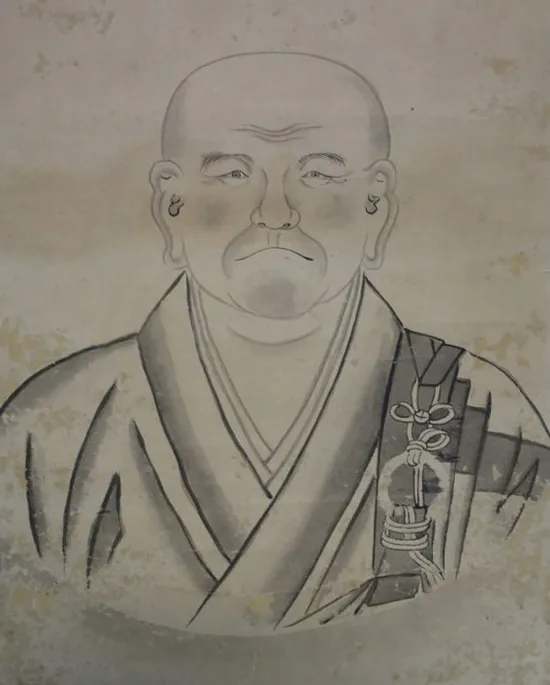
Menzan Zuihō
1683 – 1769
Menzan Zuihō (面山瑞方, 1683–1769) was the most prolific Sōtō Zen scholar of the Tokugawa period — author of more than one hundred works — and is the figure most responsible for placing Dōgen-studies at the centre of modern Sōtō scholastic identity[1]. He received Dharma transmission from Sonnō Shūeki (尊應守益, 1649–1705) in 1705 at age 23, undertook a thousand-day zazen retreat at Rōbaian in Sagami, and went on to serve as abbot of Zenjō-ji and Kūin-ji. He trained as a young monk under Manzan Dōhaku, who is sometimes mis-recorded as his transmission teacher, but the formal shihō was from Sonnō Shūeki[1][2].
Menzan's scholarship recovered and edited many of Dōgen's writings (including the *Eihei Shingi*) and his exhaustive commentaries laid the foundation for the modern Sōtō understanding of Dōgen as the school's philosophical centre. Without Menzan, the modern Sōtō self-image as a fundamentally Dōgen-centric, text-engaged tradition would not exist in its present form[2].
Names
Other masters in Sōtō
Master Record Sources
- biographyWikipedia - Zen Lineage Charts
- biographySōtō Zen in Medieval Japan