Gesshu Soko
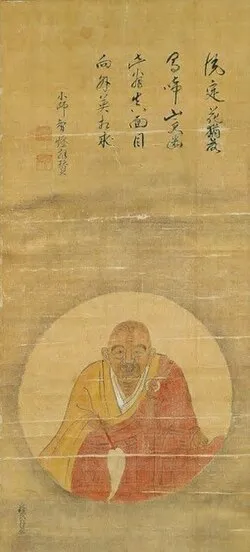
Gesshu Soko
1618 – 1696
Gesshū Sōko (月舟宗胡, 1618–1696) was an Edo-period Sōtō master who, with his Dharma heir Manzan Dōhaku, led the seventeenth-century *shūtō fukko* — the "restoration of the Sōtō lineage" — that returned the school to face-to-face Dharma transmission and to the textual study of Dōgen's *Shōbōgenzō* after several centuries in which both had eroded in favour of temple-tied lineage assignment (*garanbō*)[1]. Trained at Daijō-ji in Kaga, he served as abbot there from 1666 and used the temple as the institutional base from which the reform was launched[2].
Gesshū's emphasis on Dōgen's *zazen* practice as the heart of Sōtō, against the literary and ritual elaborations that had grown up around it, anticipated and shaped the much larger Tokugawa-period editorial recovery of Dōgen's writings completed under Manzan and Menzan Zuihō; modern scholarship treats his Daijō-ji circle as the proximate origin of every important strand of Edo-period Sōtō reform[3].
Names
Disciples of Gesshu Soko
Teachers and lineage of Gesshu Soko
Teacher / root master:
Other masters in Sōtō
Master Record Sources
- datesZen Editorial Overlay - Originals Curation
1618-1696
- nameZen Editorial Overlay - Originals Curation
Gesshu Soko
- schoolZen Editorial Overlay - Originals Curation
Soto
- teachersZen Editorial Overlay - Originals Curation
Hakuho Genteki (Terebess Harada profile - Dharma lineage)