Manorhita
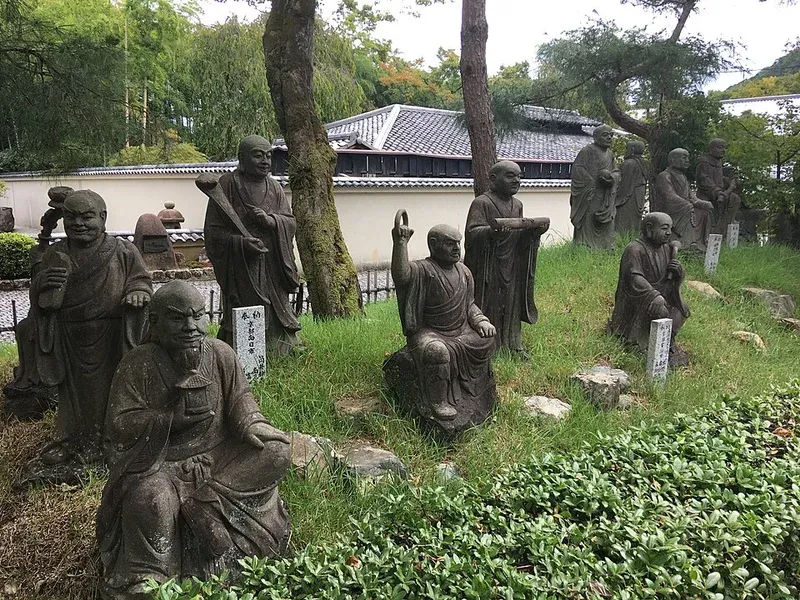
Manorhita
4th c. – Unknown
Manorhita (also Manorata, Manūratha), twenty-second patriarch in the Chan list, is named in the *Jǐngdé Chuándēng Lù* as the disciple of Vasubandhu and teacher of Haklenayaśas[1]. A figure of similar name—Manoratha—appears in northwestern Sarvāstivādin sources as one of the late commentators on the *Vibhāṣā*, and is mentioned by Xuanzang as having debated unsuccessfully against a brahmin opponent at the court of King Vikramāditya, dying of grief at the defeat[2]. Whether the Chan patriarch is meant to be this same figure is uncertain.
The Chan account belongs to the legendary stratum of the late Indian lineage and is silent on the historical Manoratha's circumstances. Dumoulin treats the identification as plausible but unverifiable[3].
Names
Disciples of Manorhita
Teachers and lineage of Manorhita
Teacher / root master:
Teachings
- dialogueThe Lamp That Needs No Oil
When Manorhita was about to transmit the Dharma, Haklenayaśas asked: 'I understand that you carry a lamp. But I see no oil and no flame. How does it burn?' Manorhita said: 'All the lamps in the world need oil and flame. This lamp is lit by neither.' Haklenayaśas said: 'Then how do I light it?' Manorhita said: 'It is already lit. It lit itself before you were born.' Keizan's verse: Before oil was pressed from seeds, / before the flame learned to burn— / that light was already everywhere. / Who turned it on?
Other masters in Indian Patriarchs
Master Record Sources
- datesZen Editorial Overlay - Originals Curation
trad. 4th c. CE
- nameZen Editorial Overlay - Originals Curation
Manorhita
- schoolZen Editorial Overlay - Originals Curation
Indian Patriarchs
- teachersZen Editorial Overlay - Originals Curation
Vasubandhu
Manorḥita (also Manorhita) is counted the twenty-second Indian patriarch in Chan/Zen transmission lists; the Tibetan Buddhist Encyclopedia preserves his traditional biography in the patriarchal sequence.