Rahulata
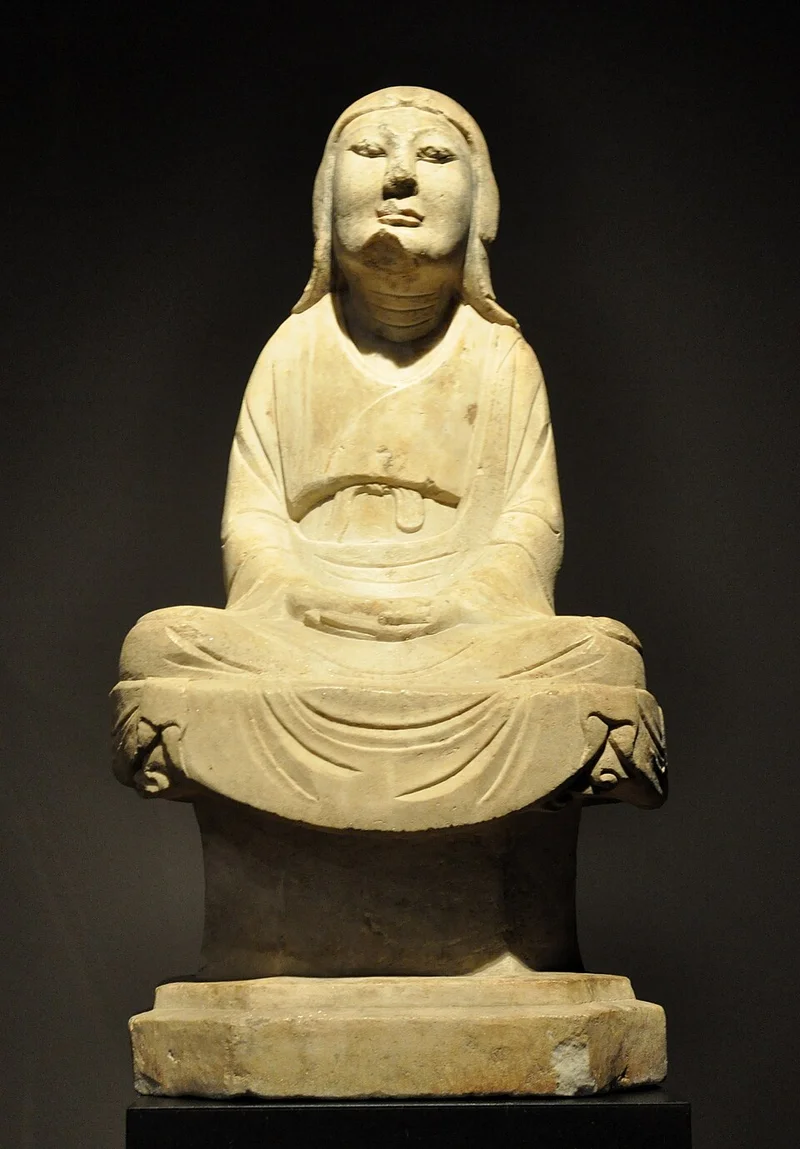
Rahulata
3rd c. – Unknown
Rāhulabhadra (Chinese: 羅睺羅多, transliterated *Rahulata*), sixteenth patriarch in the Chan list, is named in the *Jǐngdé Chuándēng Lù* as the disciple of Āryadeva and teacher of Saṃghanandi[1]. A figure of the same name appears in Sarvāstivādin and Madhyamaka literature as a poet of the *Prajñāpāramitā-stotra* (Hymn to the Perfection of Wisdom) and as one of the early commentators on Nāgārjuna; whether the Chan patriarch is meant to be this same Rāhulabhadra is debated[2].
Dumoulin notes that the post-Āryadeva section of the Chan twenty-eight relies on names available from earlier Sarvāstivādin and Mahāyāna sources but reorganized to fit the patriarchal frame, and Rāhulabhadra's place in the sequence reflects this compositional logic rather than a documented teacher-student relationship[3].
Names
Disciples of Rahulata
Teachers and lineage of Rahulata
Teacher / root master:
Teachings
The Perfection of Wisdom: not born, not destroyed, not defiled, not pure, not increasing, not decreasing. Those who seek her with concepts are like those who try to grasp the wind. Those who abandon all seeking find she was never absent. Keizan's verse: Rāhulabhadra sings the praise / of what cannot be praised. / The song itself is the teaching— / hear it without ears.
- sayingNo Fixed Abode
Rāhulata said: 'My teacher taught me: the Dharma is like a great river. A river has no fixed dwelling. It flows wherever the land allows. If you dam it up in one place, calling it your own, you have made a pond—not a river.' He himself moved continuously, staying nowhere long enough to be called a resident.
Other masters in Indian Patriarchs
Master Record Sources
- datesZen Editorial Overlay - Originals Curation
trad. 3rd c. CE
- nameZen Editorial Overlay - Originals Curation
Rahulata
- schoolZen Editorial Overlay - Originals Curation
Indian Patriarchs
- teachersZen Editorial Overlay - Originals Curation
Aryadeva
Rāhulata is counted the sixteenth or seventeenth Indian patriarch in various Chan transmission lists; the Tibetan Buddhist Encyclopedia records the traditional account of his place in the Indian patriarchal succession.