Thiền
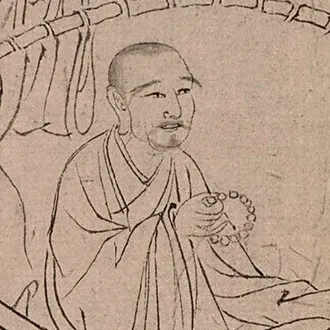
Thiền
Thiền
Thiền · 禪
Branch of Chan
Thiền (禪) is the Vietnamese tradition of Chan Buddhism, brought to Vietnam through multiple transmissions from China beginning as early as the sixth century[1]. The first Thiền school was founded by Vinitaruci (d. 594), an Indian monk who had studied with the Third Patriarch Sengcan before traveling to Vietnam[2]. The second school was established by Vô Ngôn Thông (d. 826), a Chinese disciple of Baizhang Huaihai[3]. Vietnamese Thiền developed a distinctive character, readily combining meditation practice with Pure Land devotion, Confucian ethics, and indigenous Vietnamese spirituality[1]. The tradition produced several uniquely Vietnamese developments, including the Trúc Lâm (Bamboo Forest) school founded by Emperor Trần Nhân Tông in 1299[4], and the Liễu Quán dharma line of the Lâm Tế school, which became the dominant lineage in central and southern Vietnam[5].
Meditation practice
Vietnamese Thiền characteristically combines seated meditation with Pure Land devotion (niệm Phật), sutra chanting, repentance liturgies, and practical mindfulness in daily life[1]. Rather than treating these as competing methods, the tradition typically understands them as mutually supportive disciplines suited to different capacities and circumstances. A practitioner may therefore move between silent sitting, recitation of the Buddha’s name, doctrinal study, and ritual observance without feeling that one invalidates the others. The relative balance varies by lineage and teacher, but the hallmark of Thiền is this integrated rather than exclusionary practice culture.
Prominent masters
Key texts
- Thiền Uyển Tập Anh
'Outstanding Figures of the Zen Garden' — the principal historical source for early Vietnamese Thiền. Biographies and sayings of 68 monks from the three oldest Vietnamese Thiền lineages (Vinītaruci, Vô Ngôn Thông, Thảo Đường).
- Khóa Hư Lục
'Instructions on Emptiness' — Emperor Trần Thái Tông's essays and verses on Thiền practice. One of the earliest sustained expressions of Vietnamese Buddhist thought, combining meditation instruction with imperial ethics.
- Tuệ Trung Thượng Sĩ Ngữ Lục
The recorded sayings of the lay master Tuệ Trung — elder brother of the national hero Trần Hưng Đạo and teacher of Trần Nhân Tông. The purest expression of Thiền's iconoclastic strain in Vietnamese literature.
Key concepts
- Thoại đầu
The Vietnamese pronunciation of the Chinese huatou — the single critical phrase used in Thiền meditation, particularly in the Lâm Tế line. 'Who drags this corpse around?' is a classical Vietnamese choice.
- Niệm Phật
'Buddha-recollection' — the Pure Land recitation of the Buddha's name (usually Amitābha). Integrated into Thiền practice rather than treated as a separate path, reflecting the tradition's inclusive character.
- Tam Giáo Đồng Nguyên
'The three teachings share one source' — the Vietnamese commitment to the compatibility of Buddhism, Confucianism, and Daoism. A characteristic backdrop for Thiền's willingness to integrate diverse practices.
In the words of the masters
- The Mind-Seal Has No Form
The mind-seal has no form, yet it is not hidden. It is nearer than your own hand, yet it cannot be grasped. Hand it on and it is not diminished; receive it and it is not increased.
- Wordless
The one who speaks the dharma most completely has not opened his mouth. The student who hears it most clearly has not pricked up his ears.
- Nothing to Attain
If there were a thing to attain, you would lose it again at death. Because there is nothing to attain, what you find now you can never lose.
- Language Beyond Language
Sanskrit, Chinese, Vietnamese — three rivers, one ocean. The student who waits for the perfect translation will die thirsty on the riverbank.
- Pass On Without Words
What I bring from the south of India is not a doctrine, not a name, not a robe. It is a silence that travels with the breath, and is given again whenever the breath reaches the next breath.
- Wall-Gazing in Vietnam
Bodhidharma sat facing a wall in China. I sit facing the wall of the heart in Vietnam. The wall has not changed; only the country and the century around it.
Masters in this branch
Sibling branches of Chan
Sources in use
- Lê Mạnh Thát — Vietnamese Buddhist history publications
- Cuong Tu Nguyen — medieval Vietnamese Buddhism scholarship
- The Princeton Dictionary of Buddhism